A night out for two LGBTQ+ couples ended with blood, hospitalization and a hate-crime prosecution. Now, more than a year later, the fight for accountability has moved to civil court.

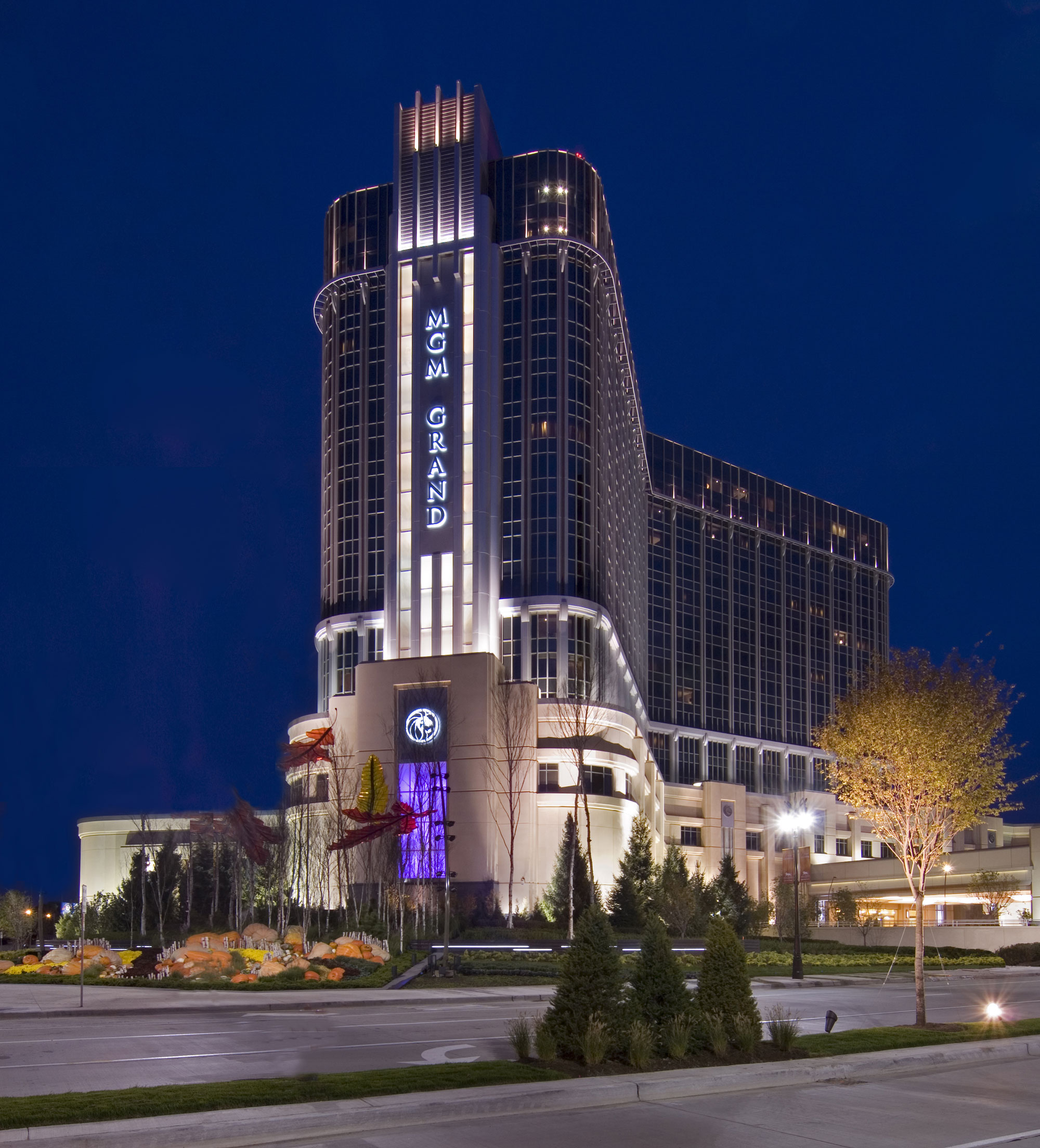
A lawsuit reported August 7 says Celia Haueter and her wife, Chelsi Way, are suing MGM Grand Detroit over the violent July 2025 attack outside the casino. The women allege casino security failed to protect them as a man hurled anti-gay slurs and brutally assaulted members of their group.
The MGM Grand Detroit hate crime lawsuit raises a painful question: What responsibility does a major entertainment venue have when guests are attacked just outside its doors?
A Celebration Turned Into an Attack
The violence happened shortly after 1 a.m. on July 13, 2025.
Haueter and Way were with another same-sex couple after attending a concert in Detroit. The group returned to MGM Grand Detroit, where they had used valet parking.
While waiting for their vehicle, two men approached them. Witnesses said the interaction became hostile, with one man directing anti-LGBTQ+ slurs at the group.
Prosecutors later identified the attacker as William James Wilson of Fort Worth, Texas.
According to the victims, the confrontation quickly became violent.
Celia Haueter Was Knocked Unconscious
Haueter suffered the most serious injuries.
Witnesses said Wilson punched her, knocking her to the ground. When she attempted to get back up, he allegedly struck her again. Members of the group said he continued attacking her after she lost consciousness.
Haueter initially required more than 20 stitches and treatment for a severe concussion. The new lawsuit reportedly alleges something even more devastating: Haueter suffered lasting brain damage from the attack.
For the couple, that means the violence did not end when they left the casino property. Its effects followed them home.

The Lawsuit Puts MGM’s Security Response Under Scrutiny
The lawsuit reportedly alleges that MGM employees failed to intervene and that some workers recorded the violence rather than stopping it.
That allegation is likely to become a central issue in the case.
However, MGM-related records previously provided to media outlets tell a different story. According to a timeline reported by Pride Source, valet employees saw the physical altercation at approximately 1:13 a.m., contacted security dispatch and called 911. Security reportedly arrived at 1:14 a.m., with Detroit police arriving about two minutes later.
Earlier interviews with the victims painted a far more troubling picture. They said they asked security for help and felt abandoned as the situation escalated.
Those competing accounts now matter.
The lawsuit could force closer examination of what employees knew, when they knew it and whether they did enough to protect the victims.
The Attacker Avoided Prison
Wilson initially faced a long list of charges.
Prosecutors charged him with assault with intent to do great bodily harm, aggravated assault, two counts of assault and battery, and four hate-crime counts.
The criminal case ultimately ended much differently.
Wilson accepted a plea agreement and admitted to one count of hate crime causing bodily injury. In March 2026, a judge sentenced him to two years of probation rather than prison. Other charges were dismissed under the agreement.
For the victims, the sentence added another layer of frustration.
A woman was beaten unconscious. A group says it was targeted because of sexual orientation. Yet the man responsible walked away without a prison sentence.
That outcome has fueled anger over how seriously the justice system treats violence against LGBTQ+ people.
This Case Is About More Than One Casino
The lawsuit raises a broader concern for LGBTQ+ people who spend money at hotels, casinos, clubs and entertainment venues.
Businesses regularly advertise security as part of the guest experience.
For LGBTQ+ customers, that promise matters.
A security team cannot prevent every violent act. However, customers should reasonably expect trained staff to respond when a threat becomes clear. That expectation becomes even more important when an attack appears motivated by bias.
LGBTQ+ people should not have to calculate whether holding a spouse’s hand could turn a night out into an emergency.
Accountability Now Moves to Civil Court
The criminal prosecution answered one question: Wilson admitted to a hate crime.
The civil case asks another.
Could more have been done to stop the attack or reduce the harm?
MGM will have an opportunity to respond to the allegations, and the claims against the casino must still be proven in court.
For Haueter and Way, however, the lawsuit represents another attempt to seek accountability after an attack that changed their lives.
Their case is also a reminder that LGBTQ+ safety cannot stop at rainbow marketing. If a business wants queer customers, those customers deserve more than a Pride logo. They deserve to know someone will act when their safety is threatened.
Subscribe to DINMag.com for LGBTQ+ news, safety reporting, culture and original stories that keep our community informed.




Leave a Reply