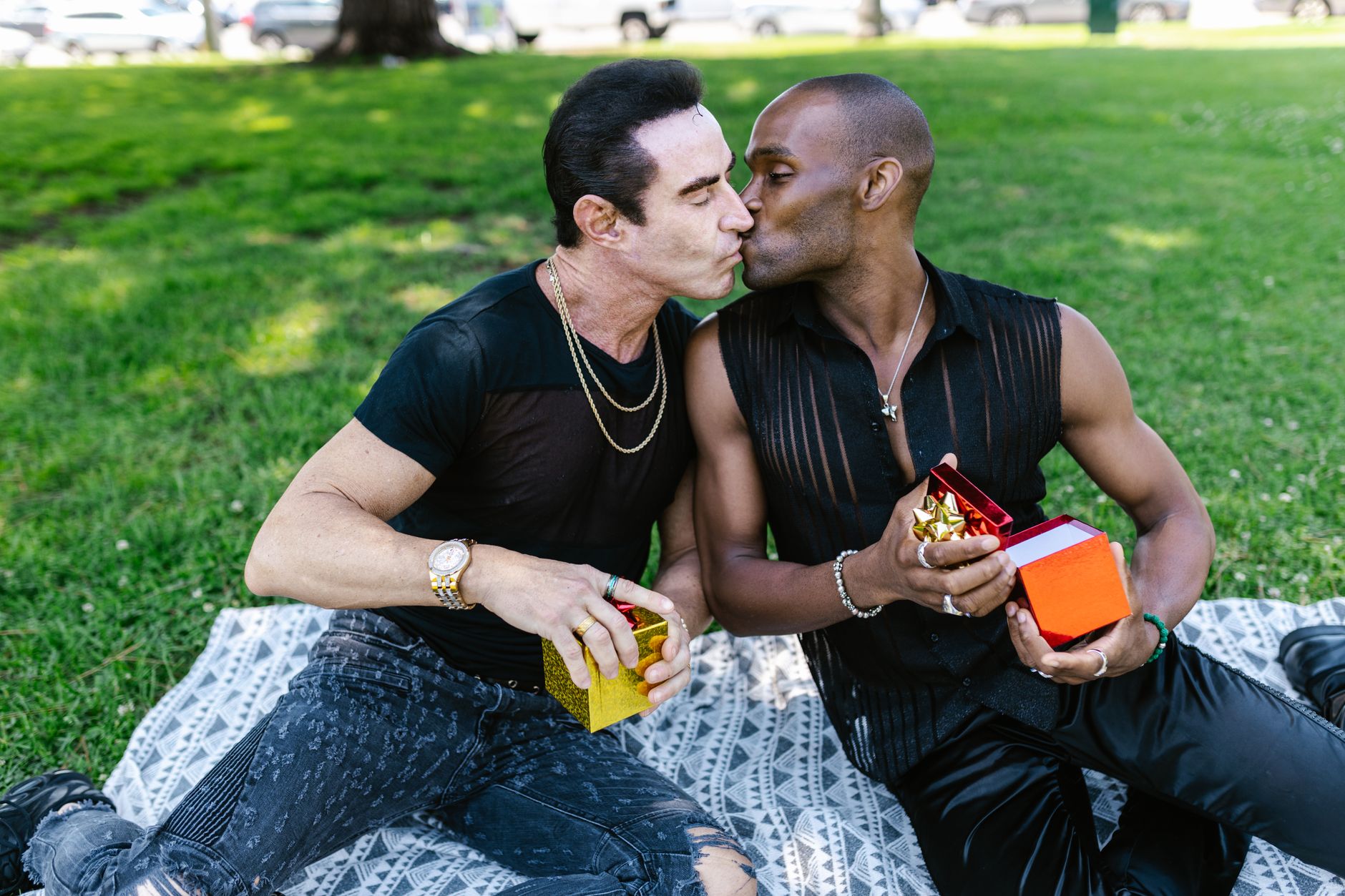
Atlanta’s gayborhood has long been a place where LGBTQ+ residents could breathe a little easier.

The rainbow crosswalks at 10th Street and Piedmont Avenue became a symbol of queer visibility. Nearby bars, restaurants, apartments and gathering spaces helped turn Midtown into the city’s most recognizable LGBTQ+ district.
However, nightlife brings crowds. Crowds bring opportunity. And opportunity can attract everything from phone thieves to people looking for trouble.
That raises an important question: Is Atlanta’s gayborhood still safe?
The latest available neighborhood data offers a more reassuring answer than social media may suggest. Overall crime in the Midtown Improvement District has fallen sharply over the past five years. Still, property theft, late-night incidents and anti-LGBTQ+ vandalism remain real concerns.
In other words, Midtown is not a danger zone but it is also not a place where common sense should take the night off.
What the Midtown Crime Numbers Show
The most recent complete Midtown public-safety report covers crime through December 31, 2025.
According to data analyzed by Midtown Alliance from Atlanta Police Department reports, the Midtown Improvement District recorded 709 crimes in 2025. That was down from 790 in 2024, representing a 10% annual decrease. Overall reported crime fell by 53% between 2021 and 2025.
That five-year decline is significant.
Midtown recorded 1,523 crimes in 2021. The total dropped to 1,091 in 2022, 835 in 2023, 790 in 2024 and 709 in 2025. Midtown Alliance described 2025 as the district’s third consecutive year of record-low overall crime.
Atlanta police also continue to publish weekly reports and public crime data. As of late July 2026, the department had released its Week 30 crime report, allowing residents to follow newer city and police-zone trends before the next complete Midtown report becomes available.
Property Crime Remains the Main Problem
The numbers become more useful when we look at the types of crime being reported.
In 2025, 91% of crime in the Midtown Improvement District was nonviolent property crime. Property crime fell by 12% from the previous year and by 55% over five years.
That is the good news.
The less exciting news is that vehicles remain popular targets.
About 66% of Midtown property crimes involved car break-ins or stolen vehicles. The district recorded 80 stolen vehicles in 2025, its lowest total on record. Larceny and theft, including stolen phones, purses and bicycles, also fell by 21%.
Even with those declines, visitors should not leave bags, electronics or shopping purchases visible inside a car.
What About Violent Crime?
Violent crime deserves attention even when the overall number is low.
Midtown recorded 63 violent crimes in 2025. That was higher than the 55 reported in both 2023 and 2024. However, it remained 19% below the 78 violent crimes recorded in 2021 and represented the district’s second-lowest annual total in nearly 30 years.
The context also matters.
According to the Midtown report, 68% of violent crimes occurred indoors. Only 15 violent incidents in 2025 were classified as stranger-on-stranger crimes, despite more than 100,000 workers, residents and visitors spending time in Midtown on an average day.
Those figures do not mean violent crime is unimportant.
They do suggest that a person walking through Midtown is not facing the level of random danger that viral posts may imply.
Still, the experience can change by street, time of night and crowd size. A busy block at 9 p.m. can feel different at 3 a.m. after most venues have closed.

The Gayborhood Is More Than the Midtown District
One major challenge with discussions about Atlanta gayborhood safety is geography.
The Midtown Improvement District covers only 1.2 square miles. It does not include every business, parking area, side street or entertainment venue that people casually describe as Midtown or Atlanta’s gayborhood.
Atlanta’s LGBTQ+ nightlife has also spread beyond Midtown.
Queer venues and events can now be found in East Atlanta Village, Old Fourth Ward, Downtown, Edgewood and other parts of the city. Each area has a different safety pattern, police zone and nightlife environment.
Therefore, Midtown’s record-low crime figures should not be used to describe every Atlanta entertainment district.
The safest approach is to check the exact venue, parking location and surrounding blocks rather than relying on the neighborhood name alone. Atlanta Police provides public crime maps and downloadable incident data that can be filtered by area and crime type.
“Atlanta nightlife” covers a lot of ground. Your evening should not begin with Midtown plans and end with you discovering the event is 25 minutes away in an industrial warehouse district.
LGBTQ+ Safety Is About More Than Crime Totals
General crime statistics do not tell the entire story for queer residents.
An LGBTQ+ person may feel unsafe because of harassment, hostile language, vandalism or threatening behavior that never appears in violent-crime totals. Some incidents are not reported. Others may be recorded under property damage or disorderly conduct without being formally classified as hate crimes.
That difference became clear in June 2025.
Police arrested four young people after a group allegedly pulled down and cut up Pride flags near the rainbow crosswalks at Piedmont Avenue and 10th Street. Police said the group traveled to the area together, recorded the vandalism and fled when officers arrived. Prosecutors were asked to consider whether Georgia’s hate-crime sentencing law applied.
The incident did not prove that Midtown had become broadly unsafe.
However, it struck at the symbolic heart of Atlanta’s LGBTQ+ community. The rainbow crosswalks were made permanent in 2017 after the Pulse nightclub massacre and have faced vandalism before.
For queer residents, an attack on a Pride symbol can feel personal even when no person is physically injured.
That is why safety cannot be measured only by robbery and assault numbers.
Is Midtown Still Atlanta’s Gayborhood?
Yes, but the title is less exclusive than it once was.
Midtown remains home to the city’s best-known rainbow crosswalks and several longtime LGBTQ+ gathering places. It also continues to serve as a major center for Atlanta Pride and queer nightlife.
At the same time, rising costs, redevelopment and changing nightlife habits have spread LGBTQ+ life throughout metro Atlanta.
Some queer residents now live, socialize and build community far outside the traditional Piedmont Avenue corridor. That does not mean Midtown has lost its identity. It means Atlanta’s LGBTQ+ map has grown.
The gayborhood is no longer only one strip of bars.
It is a network of businesses, parties, community organizations, neighborhoods and chosen families across the city.

Why Midtown May Feel Less Safe Even as Crime Falls
People experience safety emotionally as well as statistically.
A single shooting, robbery or act of anti-LGBTQ+ vandalism can shape public perception more strongly than hundreds of uneventful nights. Social media adds another layer. An alarming video can travel across the city before police have confirmed where it happened or what led to it.
Nightlife districts also concentrate visible activity.
Crowds, traffic, public intoxication, street arguments and people experiencing homelessness may make an area feel chaotic without automatically indicating a rise in serious crime.
That does not mean people are imagining their concerns.
It means crime data and personal experience can tell different parts of the same story.
Midtown’s statistics show a major long-term improvement. Residents may still want better lighting, visible security, safer parking, faster emergency response and stronger protection for LGBTQ+ landmarks.
Both things can be true.
Safety Steps for Midtown Residents and Visitors
Enjoying Atlanta’s gayborhood should not require walking around in fear. A few practical choices can reduce risk.
Travel with friends when possible. Confirm your rideshare vehicle and driver before getting inside. Avoid leaving drinks unattended. Keep phones and wallets secured in crowded venues. Do not leave valuables visible inside a parked car.
When meeting someone through an app, tell a friend where you are going. Meet in a public place first. Be cautious when a stranger quickly asks to move the conversation somewhere isolated.
Also, pay attention when leaving a club.
The period after closing can bring crowds, arguments and heavy rideshare traffic. Waiting inside a staffed venue until your ride arrives may be safer than standing alone several blocks away.
These steps should not be read as blaming victims.
The person committing a crime is responsible for the crime. Safety planning simply gives residents and visitors more control over the conditions around them.
What the City and Businesses Can Do
Public safety cannot rest only on individuals.
Nightlife businesses can improve lighting, train staff, maintain working cameras and create clear plans for handling harassment. Parking operators can increase monitoring and repair broken gates. Event organizers can communicate transportation and security information before guests arrive.
Midtown Alliance says its supplemental public-safety program provides more than 600 hours of weekly patrol coverage across the district’s 120 blocks. The district also uses camera networks, streetlight audits and communication systems connecting police with private security teams.
Those investments appear alongside a substantial long-term crime decline.
However, LGBTQ+ safety also requires trust.
Residents must feel comfortable reporting harassment and bias incidents. Police and prosecutors must take threats against queer people and institutions seriously. Businesses must protect transgender customers, queer women and Black LGBTQ+ patrons with the same urgency given to their most profitable customers.
A gayborhood is not safe simply because the numbers look good.
It is safe when everyone in the community is treated as worth protecting.

So, Is Atlanta’s Gayborhood Still Safe?
The evidence supports a qualified yes.
Midtown’s overall reported crime is at a historic low. Property crime has dropped sharply, stolen vehicles have declined and stranger-on-stranger violence remains limited compared with the number of people who use the neighborhood.
Yet “safe” does not mean crime-free.
Car break-ins still happen. Late-night conditions vary. Violent incidents have not disappeared. Anti-LGBTQ+ vandalism has also reminded residents that queer visibility can attract hostility.
The most honest conclusion is that Midtown remains one of Atlanta’s safer and more visible LGBTQ+ districts, but residents and visitors should stay alert, especially around vehicles, closing time and unfamiliar entertainment areas.
Atlanta’s gayborhood is still standing.
It is still dancing.
And it is still worth protecting.



Leave a Reply