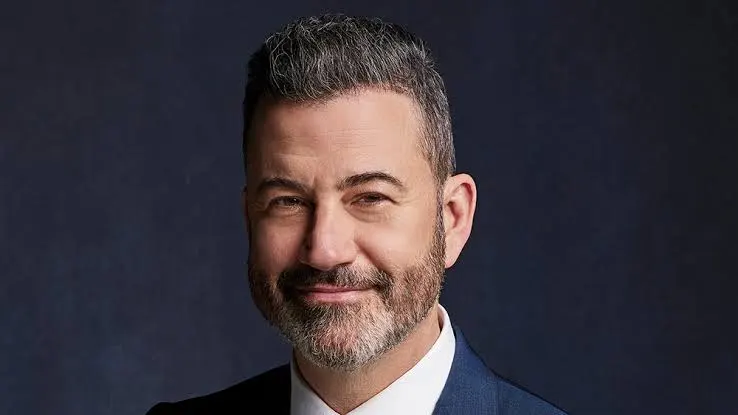
Late on a Tuesday night in September 2025, “Jimmy Kimmel Live!” roared back onto screens—and social platforms—with a vengeance. After a brief suspension, the show returned and drew 6.26 million viewers, making it its most-watched regularly scheduled episode in years—even though it was unavailable in about 23 percent of U.S. households that night. Simultaneously, Kimmel’s opening monologue exploded online, racking up some 26 million views across social media.
That collision of traditional and digital audiences offers a modern case study in media, partisanship, and spectacle.
From Suspension to Spectacle
To understand the moment, you need the backstory. On September 15, 2025, Kimmel delivered a monologue criticizing how political actors—in particular MAGA-aligned voices—responded to the assassination of conservative activist Charlie Kirk. His comments drew intense backlash. The FCC chair, Brendan Carr, threatened ABC with regulatory consequences, and Disney/ABC suspended the show indefinitely.
Just days later, though, the network reversed course. They announced that “Jimmy Kimmel Live!” would return Sept. 23—but notably, several major ABC affiliate groups (Sinclair, Nexstar) refused to air it. That blackout accounted for about 23 percent of U.S. households being unable to see the episode.
So when 6.26 million people tuned in, that number was despite intentional blockades in key markets. It was more than a ratings win—it was a cultural flex.
The Numbers That Demand Attention
Let’s put the spike in perspective. “Jimmy Kimmel Live!” had been averaging around 1.1 million to 1.7 million viewers per episode before this. That means the comeback night brought in nearly four to six times the usual viewership.
Online, the monologue’s reach was even broader. On YouTube alone, it drew over 15 million views in under a day. With all social platforms included, the total view count neared 26 million.
These numbers are not just “good TV” metrics. They are evidence of how a public confrontation — suspension, censorship, defiance — can turbocharge attention in a fragmented media landscape.
Power Plays, Free Speech, and Media Control
The showdown is not only about Kimmel or jokes. It’s about who gets to control narratives. When a late-night host’s remarks provoke threats of regulation or blackouts, it raises big red flags about free speech, government pressure, and media independence.
Many voices from the entertainment world, civil liberties groups, unions, and even some Republicans rallied behind Kimmel. Their argument: the suspension was an overreach, a dangerous precedent of using regulatory pressure to silence dissent. Meanwhile, in local markets, affiliate owners claimed they were upholding their own content standards or avoiding broadcasting controversies.
The public pushback and “unsilencing” of the show arguably transformed the suspension into a promotional moment—one that reversed the network’s initial decision and elevated Kimmel’s relevance in the process.
What This Says About Modern Media
- Blackouts don’t kill attention
Even when a show is blocked in major markets, audiences found it online or in unrestricted zones. Control is harder than ever. - Social media is the amplifier
That 26 million views on a monologue eclipse many TV show audiences. Today, digital reach often outpaces broadcast reach — especially when controversy is the fuel. - Censorship as content
The attempt to silence or suspend everyone watching it uncovered the story itself, making the controversy part of the content. - Ratings still matter—if they’re dramatic
Numbers tell stories. A surprise spike invites narratives of rebellion, popularity, or pushback. In a calm week, numbers don’t make headlines. In drama weeks, they echo.
Final Thought
Jimmy Kimmel’s comeback broadcast was more than a late-night show return. It was a moment where media, politics, and public will intersected. Where suspension invited attention, blackout invited defiance, and megaviews invited conversation.
In a media climate where everyone watches and no one misses anything, defiance sells—and those who tried to silence Kimmel only amplified his voice.
Leave a Reply