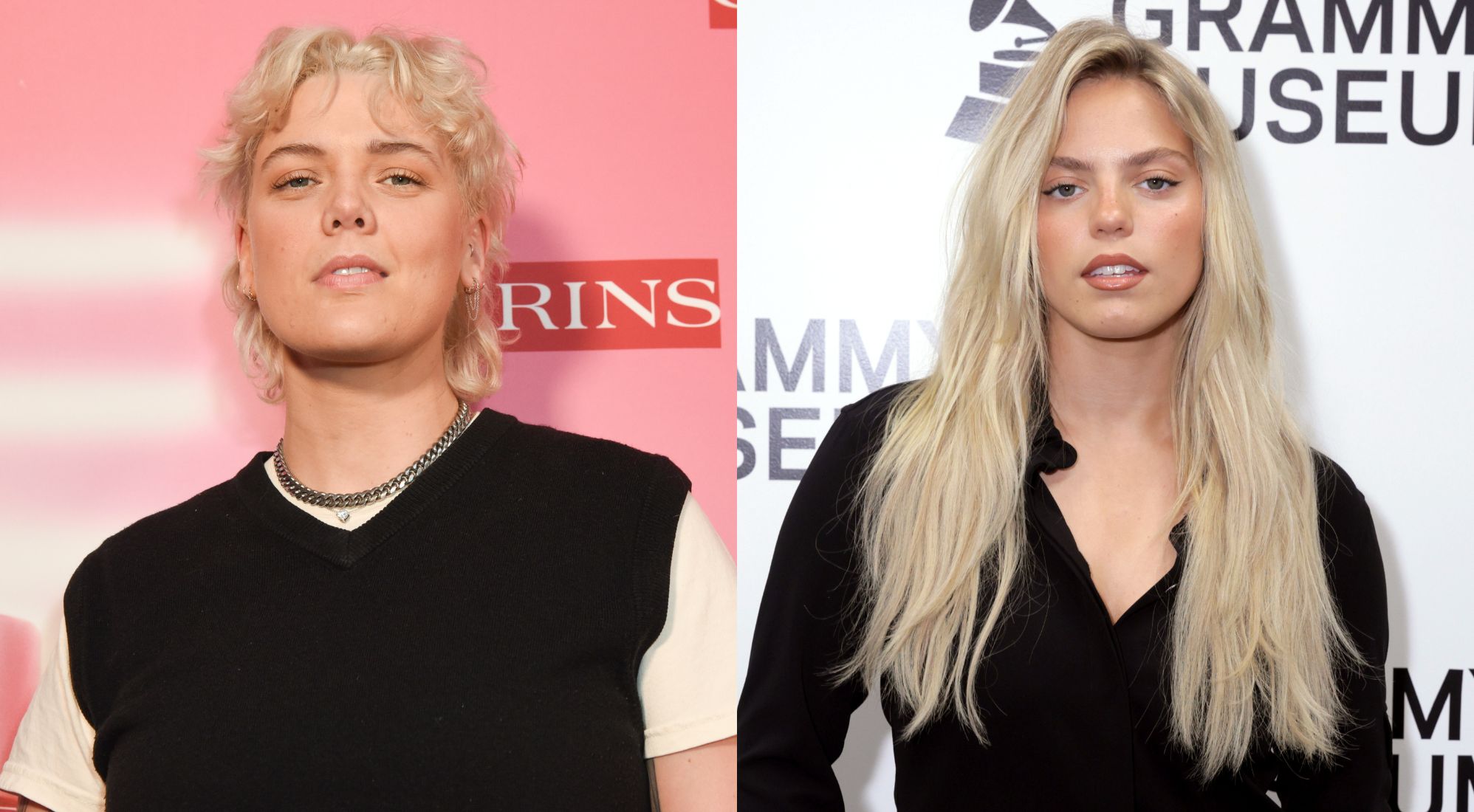
When actress and singer Reneé Rapp came out as a lesbian, she did so with confidence and pride. But recently, comments by fellow musician Betty Who have sparked backlash and reopened painful conversations about how society often questions or undermines lesbian identities.
In a now-controversial exchange, Betty Who speculated that Rapp “might someday fall in love with a man.” While some dismissed it as casual commentary, others—including a Teen Vogue op-ed—called it what it is: a lesbophobic trope.
Harmful Narratives in Disguise
At the heart of the controversy is the long-standing stereotype that lesbian identity is “changeable” or that it simply takes “the right man” to alter it. These notions have historically invalidated queer women’s identities, implying they are temporary, immature, or awaiting correction.
Such framing doesn’t just undermine individuals like Rapp—it contributes to broader societal pressures that many lesbians face. Suggesting that a woman’s self-identification might shift based on male validation reinforces patriarchal control over women’s sexuality.
The Importance of Honoring Self-Identity
Rapp’s clear and public affirmation as a lesbian is not just personal—it is political and cultural. In a media environment where representation matters, respecting how individuals self-identify is essential.
For queer youth and adults alike, seeing someone proudly own their sexuality provides validation and visibility. Comments that question or speculate over those identities—even casually—risk perpetuating harmful myths that ripple far beyond one celebrity.
A Bigger Conversation
This moment is about more than two public figures. It’s about respecting the boundaries of self-definition, recognizing the weight words can carry, and rejecting narratives that erase or distort queer women’s truths.
Rapp’s story serves as a reminder: lesbian identity is not up for debate, correction, or speculation. It is valid, powerful, and deserves unwavering respect.



Leave a Reply