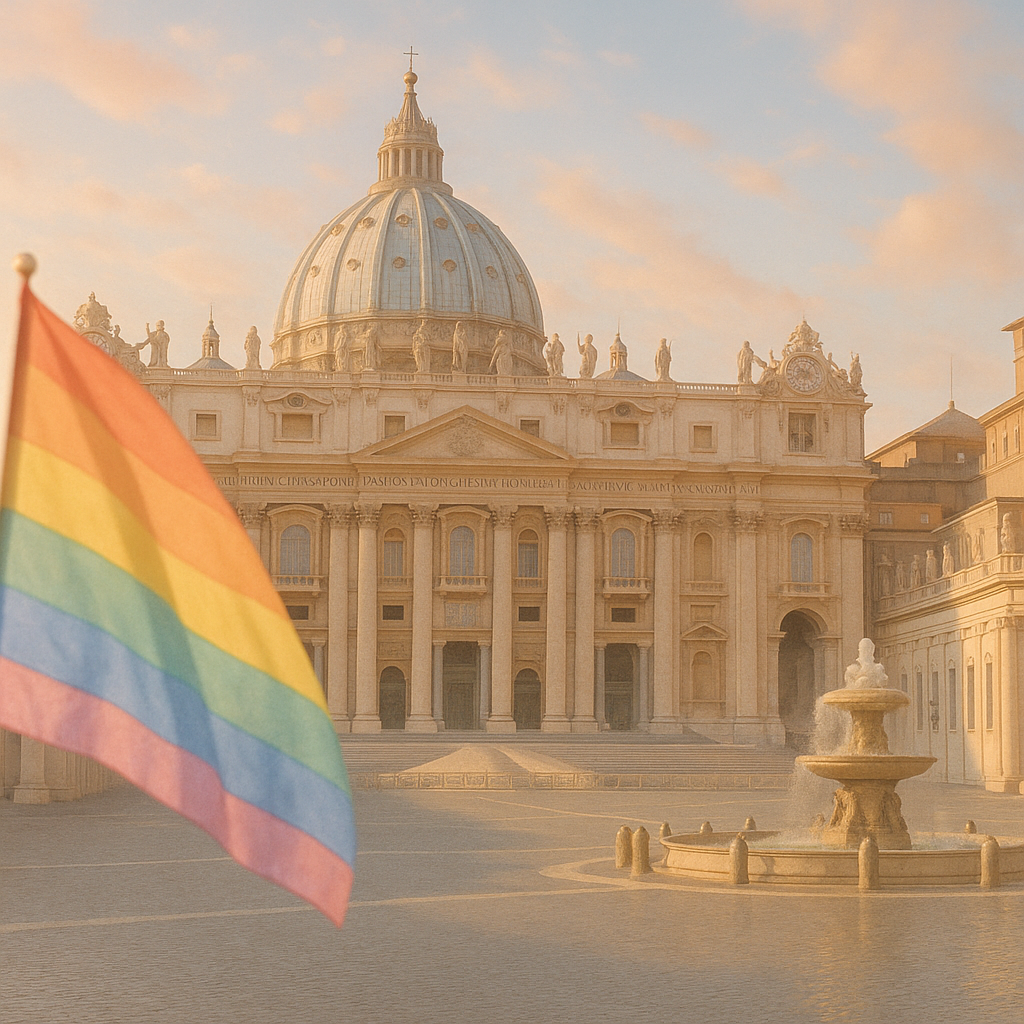
For the first time in history, the Vatican will officially meet with an LGBTQ+ reform group. The global movement We Are Church, which advocates for inclusivity and reform within the Catholic Church, is scheduled to meet Pope Leo XVI in October. This meeting represents a landmark moment in the ongoing dialogue between the Catholic hierarchy and LGBTQ+ Catholics seeking recognition.
Why the Vatican Recognition Matters
The Vatican’s recognition of an LGBTQ+ reform group signals a shift in how the Church engages with issues of sexuality and inclusion. For decades, LGBTQ+ Catholics have called for spaces where their identities are respected, their relationships valued, and their faith affirmed.
This meeting is not only symbolic but also practical—it acknowledges the growing pressure within Catholic communities worldwide to address questions of equality, belonging, and justice.
About “We Are Church”
Founded in the 1990s, We Are Church is a grassroots Catholic reform movement with a strong international presence. The group champions:
- Full equality for women in the Church.
- The inclusion of LGBTQ+ Catholics in liturgy and leadership.
- Greater lay participation in decision-making.
- A more open and compassionate approach to sexuality.
By granting an audience with Pope Leo XVI, the Vatican is implicitly recognizing the legitimacy of these calls for reform, even if official doctrine has not yet changed.
A Step Toward Inclusivity in the Catholic Church
While the Church’s official stance on LGBTQ+ relationships remains conservative, this meeting highlights an evolving willingness to engage. Many Catholic leaders and theologians argue that dialogue is the first step toward meaningful reform.
For LGBTQ+ Catholics, this recognition validates their lived experiences of faith and identity. It offers hope that the Church can evolve into a more inclusive space while still rooted in tradition.
Global Impact of Vatican Recognition
The implications of this meeting extend far beyond Rome. Catholics around the world—particularly in countries where LGBTQ+ rights are under threat—may find encouragement in the Vatican’s willingness to listen.
It also sets a precedent for future dialogue, opening doors for additional reform groups, theologians, and lay members who have long called for greater inclusivity within Catholicism.
Conclusion
The historic Vatican recognition of the LGBTQ+ reform group We Are Church marks a turning point in the Catholic Church’s relationship with LGBTQ+ communities. While challenges remain, the fact that this dialogue is taking place at the highest level of leadership reflects a new era of openness.
Inclusivity in faith is not achieved overnight, but this meeting is an essential step toward building a Church that embraces all its members with dignity and respect.




Leave a Reply