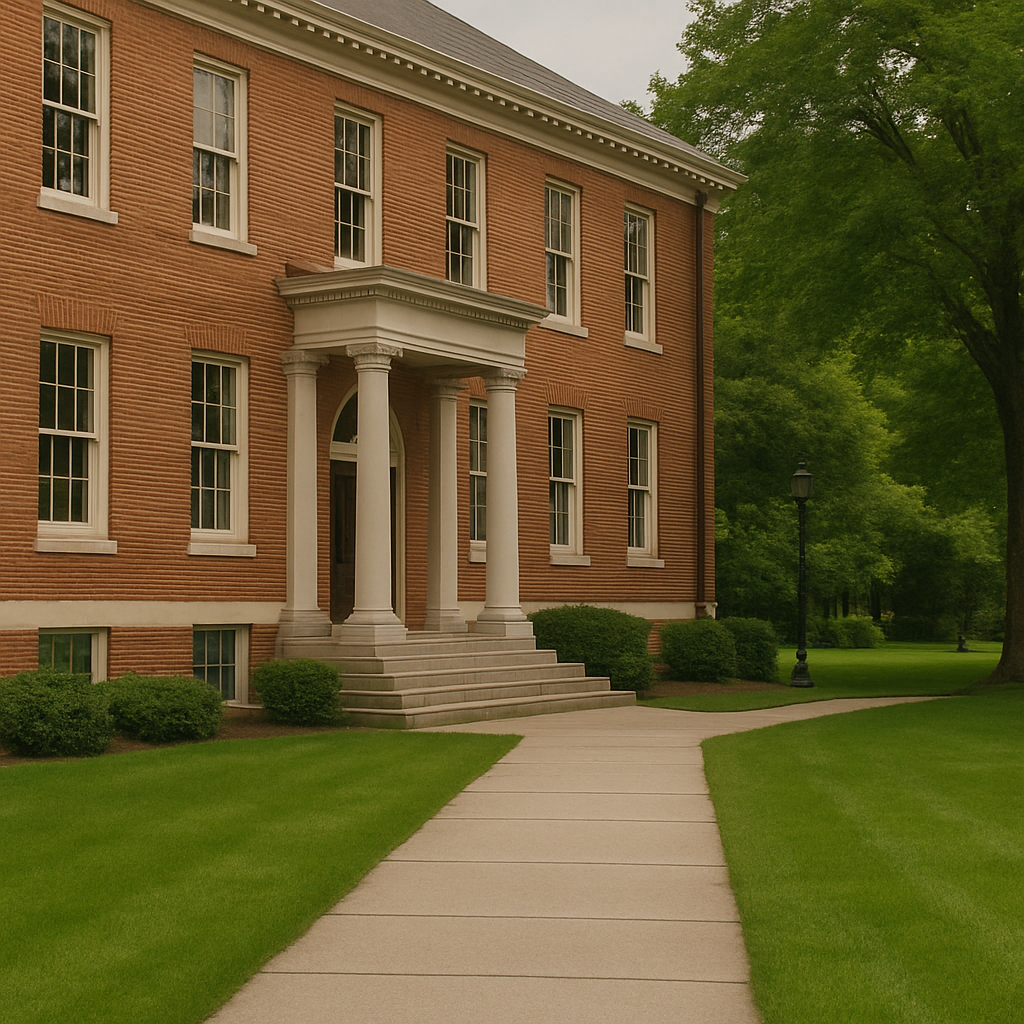
Queer students at HBCUs are navigating the difficult intersection of identity, tradition, and belonging within sorority life. While Historically Black Colleges and Universities (HBCUs) celebrate a rich legacy of empowerment, the realities of LGBTQ+ inclusion within Divine Nine sororities reveal a complex cultural tension.
The Promise and the Paradox of Sorority Life
For generations, HBCUs have been pillars of culture, education, and resilience in the Black community. At the heart of that experience are the Divine Nine sororities and fraternities, which carry a legacy of service, leadership, and sisterhood.
For many young Black women, joining a sorority is about far more than colors and letters. It represents lifelong mentorship, sisterhood, and access to an influential network. But for LGBTQ+ students, this journey often comes with difficult choices.
A Teen Vogue feature revealed how one Clark Atlanta University student found pledging a sorority more accessible than a fraternity—yet still a process filled with caution and self-negotiation. While bonds of sisterhood were real, unspoken rules around gender identity left little room for authentic openness.
This paradox—wanting community while facing invisibility—echoes across multiple HBCU campuses.
The Weight of Tradition and Gender Norms
The challenge is rooted in traditional gender norms that still define much of Black Greek life. Sororities, with their powerful cultural and historical influence, also serve as gatekeepers. Their customs and expectations, built on respectability politics and survival strategies, can exclude students whose identities do not fit heteronormative frameworks.
As a result, queer students often feel forced to choose between authentic visibility and cultural belonging.
Signs of Change: Moving Toward Inclusion
Not every HBCU experience is the same. Some institutions, like Howard University, have a reputation for being more inclusive and welcoming to LGBTQ+ students in Greek life. These examples prove that progress is possible when organizations broaden their definition of sisterhood.
In recent years, certain sorority chapters have:
- Hosted dialogues on LGBTQ+ issues
- Implemented allyship and inclusivity training
- Elevated queer voices and leadership within their ranks
While uneven, these efforts reflect a growing recognition that tradition and progress can coexist.
The Stakes for the Future of Sorority Life
For queer students at HBCUs, the question is not simply whether to join a sorority—it is whether they can do so without silencing parts of themselves. At stake is the possibility of a more inclusive Greek life that reflects the full diversity of Black identity across gender and sexuality.
If sororities reconcile their heritage of sisterhood with a future of inclusivity, they won’t just retain their cultural power—they will expand it. True community thrives when no one is asked to hide.
Conclusion: Embracing Authentic Sisterhood
The conversation around queerness in Black sororities is far from over. As more students call for inclusive spaces, HBCUs have an opportunity to redefine what sisterhood means in the 21st century.
The future of sorority life at HBCUs will depend on whether tradition can evolve. The strength of sisterhood lies not in conformity but in its ability to embrace authenticity and diversity—ensuring every student feels seen, valued, and connected.




Leave a Reply