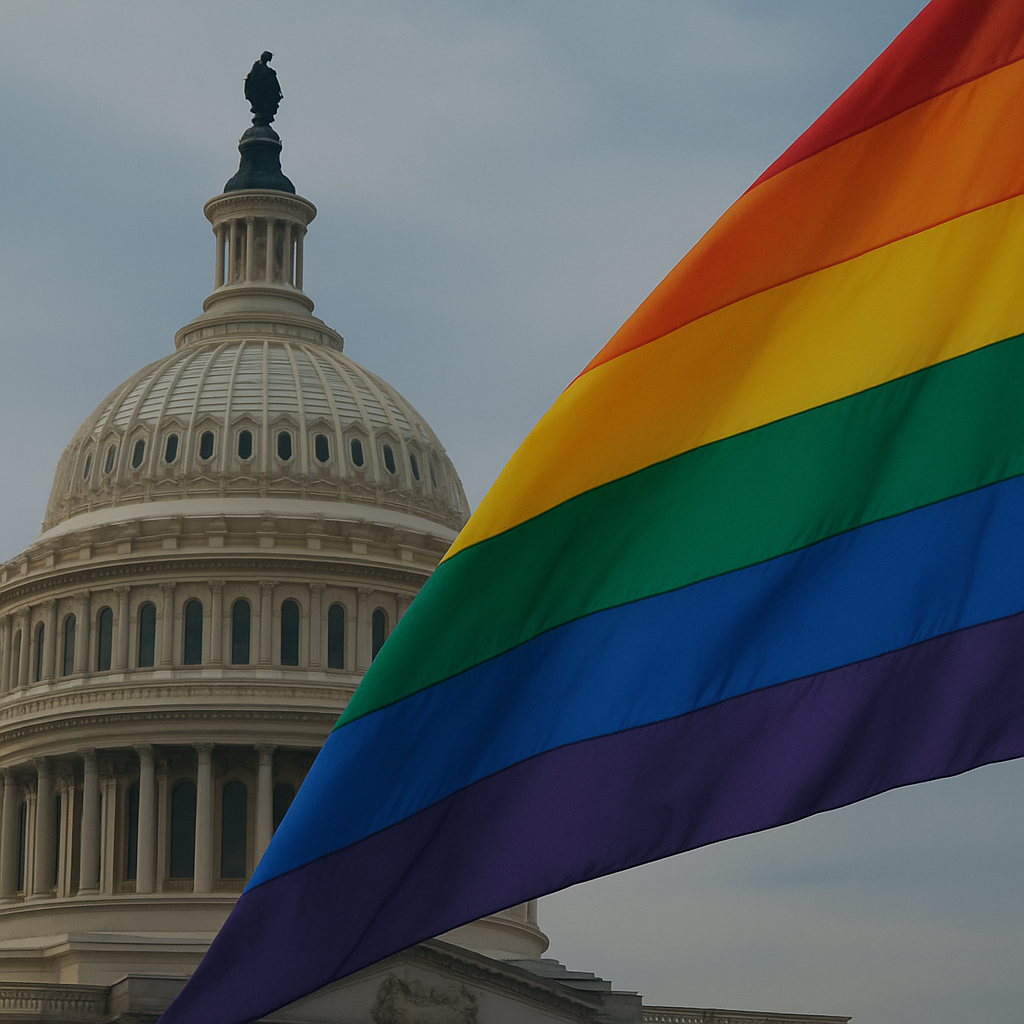
A shocking development in the marriage equality landscape: Kim Davis, the Kentucky county clerk who became a national figure in 2015 for refusing to issue marriage licenses to same-sex couples, has filed a legal appeal to the U.S. Supreme Court. She’s asking the Supreme Court to overturn the landmark Obergefell v. Hodges decision that legalized same-sex marriage nationwide. Davis’s argument leans on recent conservative judicial trends, particularly the reversal of Roe v. Wade, suggesting a similar dismantling of prior interpretations of constitutional rights.
State-Level Pressures: Resolutions and “Covenant Marriage”
Beyond Davis’s petition, a wave of conservative momentum is rising:
- State resolutions in Idaho, Michigan, North Dakota, and others are calling on the Supreme Court to reconsider Obergefell. Though symbolic and legally non-binding, they signal a strong push by conservative lawmakers toward re-evaluating marriage equality.
- Meanwhile, in states like Missouri, Oklahoma, Tennessee, and Texas, proposals for “covenant marriage” laws—religiously-influenced bills aimed at restricting divorce—have gained traction. While many failed in committee, these bills illustrate a broader strategy to redefine marriage in civically restrictive terms.
Legal Safeguard: Respect for Marriage Act (RFMA)
Despite growing threats, federal protections remain in place through the Respect for Marriage Act (RFMA), passed and signed into law in December 2022. This legislation requires the U.S. federal government—and all states and territories (excluding tribes)—to recognize the validity of same-sex and interracial marriages, even if the Supreme Court reverses Obergefell.
In effect, RFMA serves as a legislative firewall: even if marriage equality is overturned constitutionally, same-sex marriages performed in states where they are legal would still be recognized and protected nationwide.
Why It Matters
- Legal Precedent at Risk: If the Supreme Court takes up and reverses Obergefell, same-sex marriage rights could default to state-by-state determination—creating a patchwork of rights and restrictions.
- Public Opinion Still Strong: Despite these legal challenges, public support remains high, with around 69–70% of Americans still favoring marriage equality.


Leave a Reply