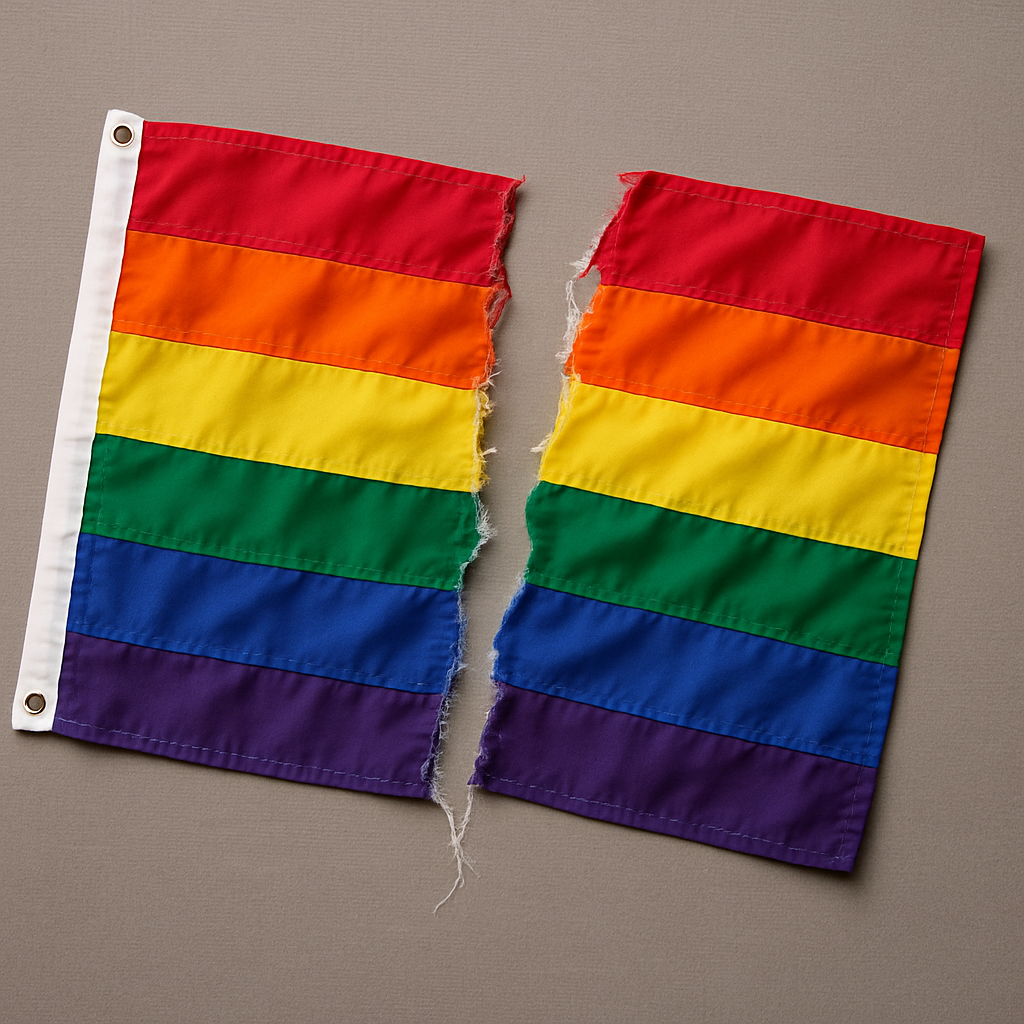
In what has become a deeply polarizing conversation within Australia’s LGBTQ+ community, some lesbians say they are feeling increasingly marginalized in spaces once considered their own. At the heart of the tension is what they perceive as a growing pressure to accept definitions of womanhood that conflict with their identity as same-sex attracted women.
A Shift in Queer Spaces
Pride festivals, community centers, and advocacy groups—long regarded as havens of unity—are now navigating internal friction. Certain lesbian activists argue that their right to define “lesbian” as attraction exclusively to biological females is being eroded by an expectation to include trans women in their dating and social considerations.
Critics of this stance say such exclusion perpetuates transphobia, while those expressing concern argue that silencing these views is a form of erasure. “It’s not about hate—it’s about maintaining the right to define our own boundaries,” one lesbian advocate told local media.
The Legal Battleground
These cultural disagreements are mirrored in legislative debates across Australia. Discussions over the wording of anti-discrimination laws, sports participation policies, and gender recognition standards have become flashpoints for both feminist and trans rights organizations.
State-level proposals to redefine “sex” and “gender” in legal frameworks are forcing lawmakers to confront complex questions: Should spaces and services for women be defined by biological sex, gender identity, or a blend of both? And who gets to decide?
The Strain on Solidarity
What was once a united front under the rainbow flag now shows fractures. LGBTQ+ groups that historically worked side by side for equal rights are facing walkouts, boycotts, and social media storms over these debates. Some events have even split into separate gatherings—one prioritizing trans-inclusive policies, the other maintaining female-only definitions.
Advocates on both sides express regret at the division. “We fought so hard for recognition together,” one trans woman in Melbourne said. “It’s heartbreaking to see us turning inward when the fight outside is still so big.”
Looking Forward
Many within the community are calling for facilitated dialogues, restorative justice approaches, and the creation of spaces where nuanced conversations can take place without fear of public shaming or exclusion.
If Australia’s queer community is to remain a force for equality, it will likely need to find ways to bridge this ideological divide—acknowledging both the validity of trans inclusion and the need for lesbians to self-define without coercion.



Leave a Reply