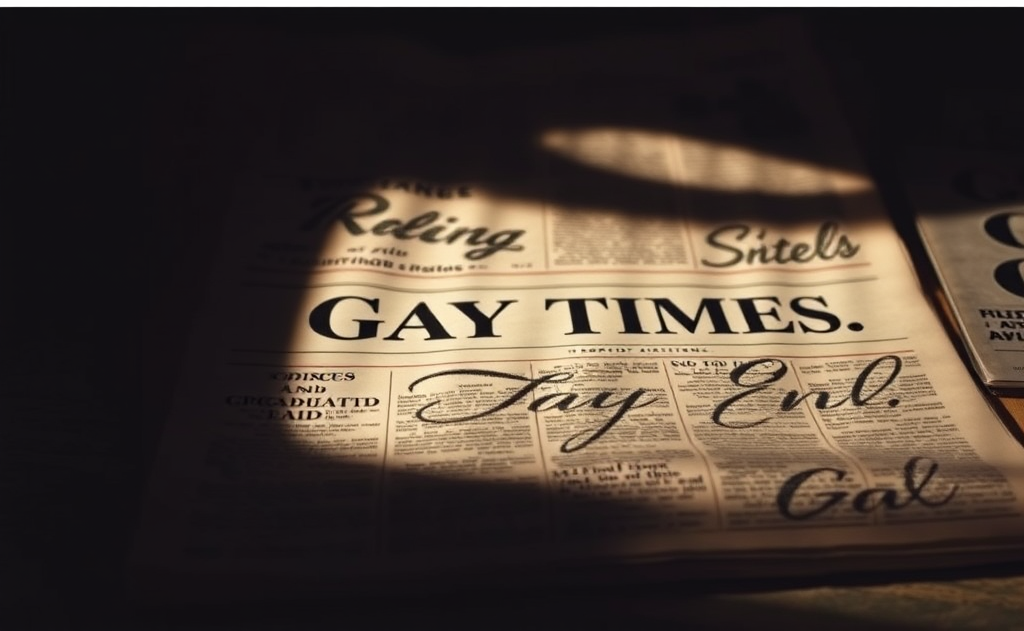
💔 From Spotlight to Survival Mode
In a sobering reflection of shifting tides, Gay Times, one of the most iconic LGBTQ+ media platforms in the world, has reported an 80% drop in advertising revenue—equivalent to over $5 million. This sharp decline has forced staff layoffs and a pivot to reader-funded models, ending an era of corporate-backed queer storytelling.
The root cause? A coordinated anti-diversity backlash, originating in the U.S., is pressuring global brands to pull support from LGBTQ+ campaigns and Pride partnerships. And Gay Times is just one of many cultural institutions now fighting to survive the fallout.
The Domino Effect of Silence
This isn’t just a business story—it’s a warning shot.
When brands withdraw support, they aren’t just cutting costs. They’re cutting visibility, opportunity, and validation for a global community already under siege.
Corporate DEI commitments, once plastered across rainbow-themed campaigns, are now quietly being rolled back under pressure from anti-LGBTQ+ lobbying groups and political threats.
One by one, ad dollars vanish. Not because the audience disappeared—but because the fear got louder.
Representation Isn’t a Trend—It’s a Lifeline
For decades, Gay Times has served as more than a magazine. It’s been a platform for queer youth to find themselves, a space for marginalized voices to be heard, and a beacon of unapologetic pride.
But as advertisers retreat, that platform becomes precarious. With fewer resources, stories shrink. Staff is cut. Community projects fade. And slowly, so does the mirror we held up to ourselves.
This isn’t about rainbows in June. It’s about whether LGBTQ+ media can continue to exist when allyship becomes “too risky” for the bottom line.
A Global Retreat from Inclusion
The collapse of support for Gay Times is part of a wider trend:
- Companies once praised for inclusive hiring and Pride campaigns are now scaling back or staying silent.
- DEI professionals across sectors are being laid off en masse.
- Political and legal assaults on LGBTQ+ rights—from book bans to health care rollbacks—are being met with deafening corporate silence.
It raises the question: Was the commitment ever real? Or was it just branding?



Leave a Reply