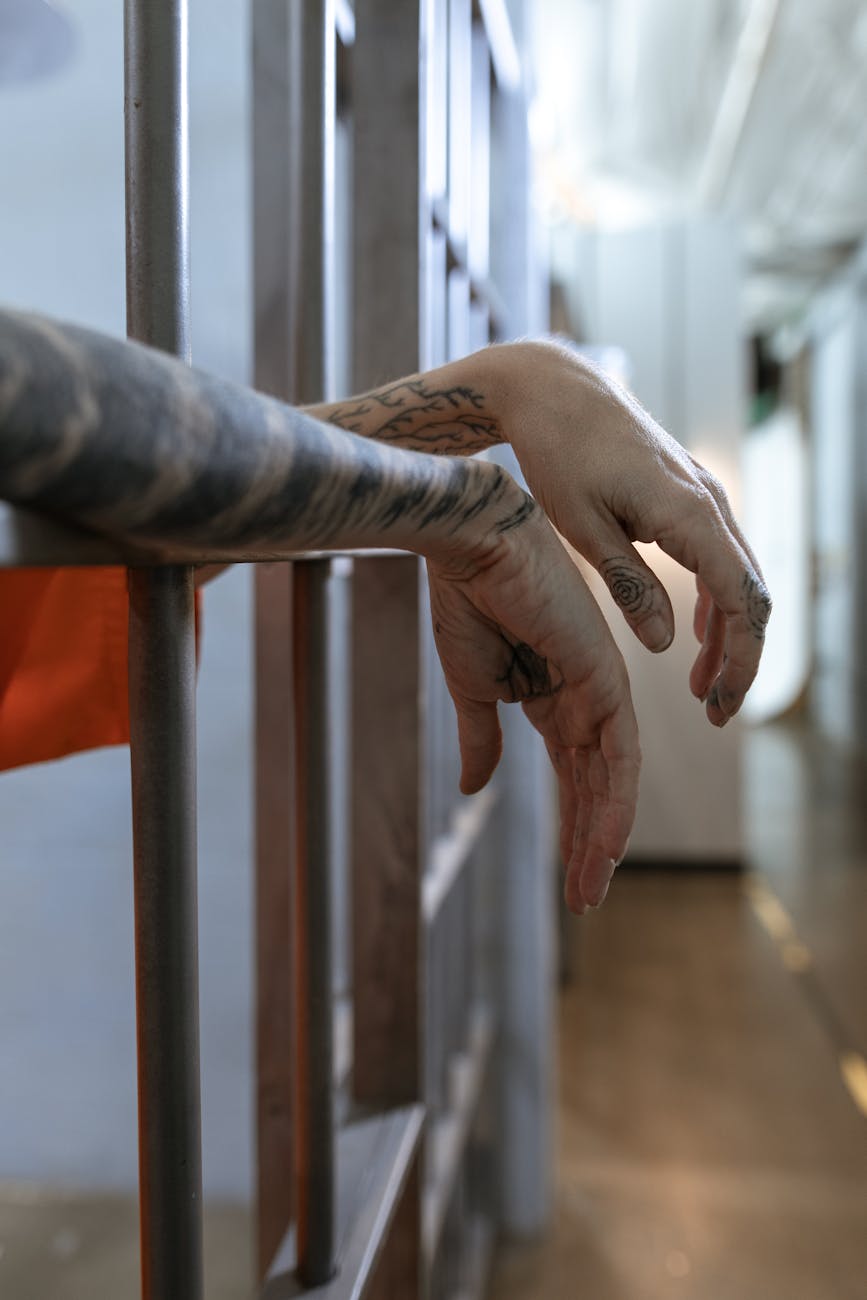
Across the United States, many people are raising alarms about the safety of LGBTQ+ individuals in prisons. This concern has grown after reports that the U.S. Department of Justice (DOJ) has moved to weaken or remove certain protections that were designed to prevent sexual abuse, especially for LGBTQ+ inmates. These protections came from a law known as the Prison Rape Elimination Act, or PREA, which was created to reduce and prevent sexual violence in prisons and jails. Now, with key parts of that protection system under threat, advocates fear that the most vulnerable people in prison could face greater danger.

PREA was passed in 2003 with strong support from both major political parties. The goal was simple but important: to make sure prisons take sexual abuse seriously and put policies in place to protect people inside. Over the years, the Department of Justice created detailed standards that required prisons to train staff, screen new inmates for risk factors, respond quickly to reports of abuse, and protect groups that face higher risks, including LGBTQ+ people. Many studies have shown that LGBTQ+ people, especially transgender women, face higher rates of harassment and sexual assault in prisons. These standards helped bring more attention to the problem and pushed prisons to change harmful practices.
Recently, however, federal officials issued instructions telling auditors to stop enforcing several of the PREA rules designed specifically to protect LGBTQ+ people. This includes rules about how inmates are housed, how staff should treat them, and how prisons should screen for risk. These changes are connected to a wider policy shift that focuses on “biological sex” instead of gender identity. For many advocates, this shift is a serious setback. They worry that by removing or weakening these protections, prisons may return to older and more dangerous ways of operating, especially when it comes to LGBTQ+ safety.
For LGBTQ+ people in prison, and especially for lesbians and queer women, this is more than just a policy debate. In many prisons, LGBTQ+ people already face fear, harassment, and violence on a daily basis. Without strong rules requiring prisons to protect them, the situation could become much worse. People who are openly lesbian, gay, or gender-nonconforming may be targeted simply because of who they are. In some cases, staff may ignore their complaints, or pressure them to stay silent. PREA standards helped change this by forcing prisons to take these reports seriously. Weakening those standards could make it harder for people to speak up and harder for them to get help when they need it most.

Another major concern is that removing these protections could send a message that LGBTQ+ safety is no longer a priority. This can create confusion among prison staff and leadership. If auditors are no longer checking facilities for compliance, some prisons may decide not to follow the rules at all. Advocates worry that this could lead to more violence, fewer investigations, and a system where LGBTQ+ people are left to fend for themselves. For people already living in dangerous conditions, these changes could mean real harm.
Organizations that work on prison justice issues have spoken out strongly against the DOJ’s actions. They argue that sexual abuse in prison is a serious human rights issue and that weakening protections will only make the problem worse. They also point out that the Constitution requires the government to protect people in its custody, and failing to prevent known risks of harm can violate those basic rights. Advocates are urging the public to speak up and demand that these protections remain in place.

This issue is important not just for people who are incarcerated but for everyone in society. A fair and humane justice system should treat every person with dignity, no matter where they are or what they have done. LGBTQ+ people are already at higher risk of harm in prison, and eliminating the protections they rely on puts them in even greater danger. While policy debates may happen at high levels of government, the real impact is felt by people living behind bars who have little power to protect themselves.
As the conversation continues, advocates hope that the public will pay attention and push for policies that keep everyone safe. Protecting LGBTQ+ people in prison is not about giving special treatment. It is about recognizing their vulnerability and making sure that no one, regardless of identity, is left without safety or support. In a country that values fairness and equality, ensuring that prisons protect all people should be a basic expectation.
Don’t forget to support LGBTQ+ Media.



Leave a Reply