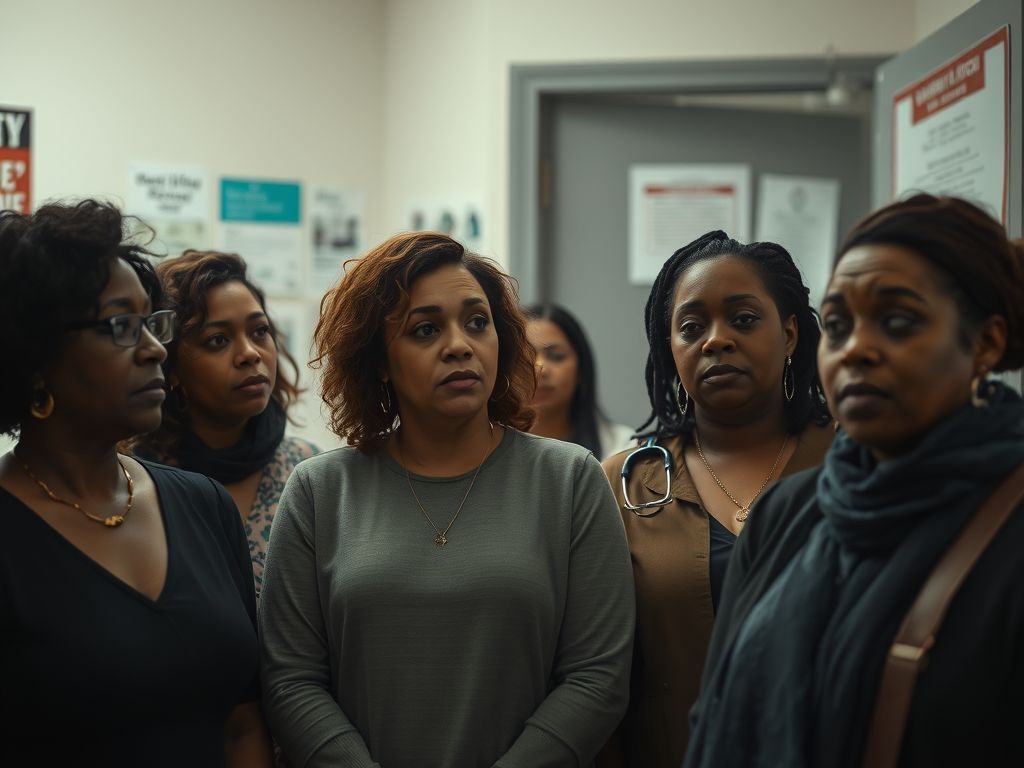
As the clock ticks and another U.S. government shutdown looms, headlines focus on political blame games. But beyond the chambers of Congress, the real story is unfolding quietly—in homes, clinics, and communities across the country. When Washington goes dark, it’s not just federal buildings that close. Lives are disrupted. Paychecks stop. Services freeze.
A shutdown means that hundreds of thousands of federal employees will be furloughed or forced to work without pay. Essential agencies like Health and Human Services (HHS), the Centers for Disease Control (CDC), and the National Institutes of Health (NIH) could lose up to 40–60% of their workforce. That translates to delays in public health monitoring, medical research, and community health programs—all services the public often takes for granted.
At airports, TSA agents and air traffic controllers would still show up—without pay. The FAA could furlough over 11,000 employees, heightening travel stress and safety risks. National parks and museums may close. Grant programs and business loans pause. Even economic data like jobs reports—vital for market stability—would go unreleased.
In the short term, Social Security and Medicare benefits continue, but administrative support—claims, appeals, updates—may stall. For millions who rely on these systems, even small disruptions create uncertainty and anxiety.
The Unequal Weight
While shutdowns hurt everyone, LBQ+ women often feel the blow more sharply due to systemic inequities in income, healthcare access, and safety nets.
Many LBQ+ women depend on federally funded clinics for routine care, reproductive health, STI testing, and mental health support. Programs like the Ryan White HIV/AIDS Program, Planned Parenthood, and community health centers often rely on federal grants. When funding freezes, appointments get canceled, and medications can be delayed. For women managing chronic conditions—or reproductive care—these delays can have serious consequences.
Housing and Safety Nets
LBQ women face higher poverty rates and greater housing instability, especially queer women of color and single mothers. Programs like HUD housing assistance and Section 8 vouchers may face payment delays if the shutdown drags on. Emergency shelters and community nonprofits—many already underfunded—will have to stretch limited resources even further.
Legal Protections and Advocacy
Shutdowns also slow the work of agencies like the Equal Employment Opportunity Commission (EEOC) and Department of Education’s Office for Civil Rights, which handle discrimination cases based on sexual orientation and gender identity. With investigations paused and advocacy grants delayed, justice and accountability are placed on hold.
For LBQ women, the shutdown represents more than an inconvenience—it’s a threat to health, safety, and dignity. The ripple effects cut through every layer of life: from missed doctor visits to delayed rent assistance and postponed justice.
What you can do:
- Stay Informed: Track which services remain open through official sources like USA.gov.
- Seek Local Support: Community health clinics, queer centers, and mutual aid networks can help fill gaps.
- Advocate: Contact representatives to demand protections for vulnerable groups in funding bills.
- Support Organizations: Donate to nonprofits serving LGBTQ+ communities that may lose grant funding during the shutdown.
As the nation waits for Congress to act, one truth stands clear: when the government shuts down, it’s not just the lights in Washington that go out—it’s the lifelines that sustain millions, especially those who already live at the crossroads of vulnerability and resilience.




Leave a Reply