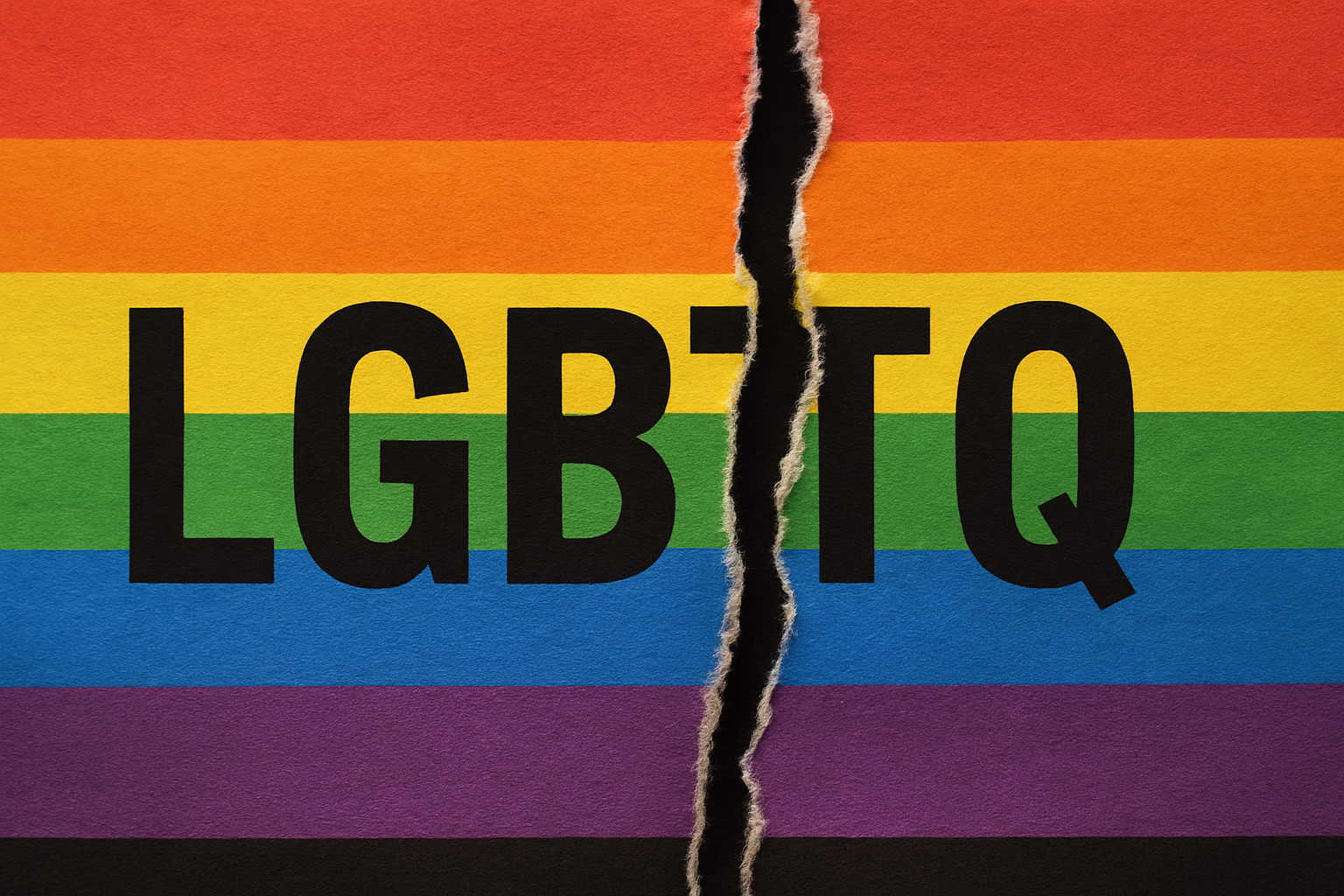
On Valentine’s Day 2025, something subtle but telling happened on the National Park Service website. The page for the Stonewall National Monument—America’s first national monument dedicated to the LGBTQ+ movement—was edited. Where the description once honored “lesbian, gay, bisexual, transgender, and queer (LGBTQ+)” people, the updated copy gradually dropped letters. First the “T” vanished. Then the “Q.” Finally, the “+.” What remained was simply “LGB.”
This wasn’t an accident. Reports surfaced that park staff were given instructions to avoid using “T” and “Q” in official materials. The Stonewall edit quickly became the most visible symbol of a broader shift: a government narrowing of who it acknowledges within the community, right on the webpage for the site where the modern movement for equality first broke into public consciousness.
The Policy Backdrop
This shift didn’t happen in a vacuum. In January 2025, Trump signed Executive Order 14168, which directed agencies to replace references to “gender” with “sex” and to align communications and policies with a more traditional, binary framework. While the language was framed as restoring “clarity,” in practice it encouraged federal agencies to streamline or roll back broader references to identity.
Soon after, watchdog groups noticed edits across multiple platforms, from resource guides to educational materials. Critics say these edits are part of a larger pattern of the administration restricting the vocabulary of inclusion—removing terms, definitions, and acknowledgments that had become standard over the past decade.
Why It Matters
Some might argue this is just semantics. But words shape policy, and policy shapes lives. When federal agencies recognize fewer groups by name, the risk is that fewer people will be counted, protected, or resourced. Changing “LGBTQ+” to “LGB” isn’t simply a tidying of acronyms; it signals which communities government is willing to affirm and which it is not.
The Stonewall Monument edit, in particular, struck a chord because of its history. The site is a global symbol of resistance, unity, and visibility. To pare down its description felt, to many, like erasing layers of the very struggle it was meant to honor.
A Dividing Line
The political logic here is clear: trimming the acronym appeals to a constituency that views the full spectrum of identities as “overreach.” But there’s another consequence—splitting a coalition. Reducing “LGBTQ+” to “LGB” risks creating artificial divides within a community that has historically gained strength by organizing together.
The debates now extend beyond websites. Federal court cases are already underway over whether Executive Order 14168 can restrict language and recognition in official programs. Early rulings suggest judges are wary of policies that look like viewpoint discrimination. That means the edits may not stand unchallenged.
The Takeaway
So, did Trump “remove the T and Q from LGBTQ”? In certain federal contexts, yes. The Stonewall National Monument page provides a high-profile example, and internal instructions confirm that some agencies have been told to streamline the acronym. Whether these changes hold up legally—or politically—remains to be seen.
What’s clear is that narrowing language narrows recognition. And recognition, in government terms, is power: it guides funding, protections, and the way history is remembered. That’s why the debate over a few missing letters matters.




Leave a Reply