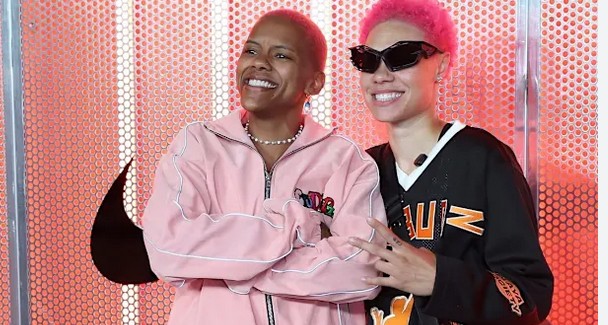
The Rise of StudBudz
In 2025, WNBA teammates Courtney Williams and Natisha Hiedeman turned a playful idea into a cultural phenomenon. Their Twitch channel, StudBudz, isn’t just about basketball—it’s about community, identity, and queer joy.
The stream—launched during the WNBA season and All-Star Weekend—quickly attracted over 300,000 views, drawing fans eager to experience the off-court personalities of two athletes who refuse to hide who they are. What they’ve built is more than entertainment: it’s a digital stage for visibility and empowerment.
Beyond the Game: From Court to Stream
On the court, Williams and Hiedeman are fierce competitors. Off it, they’re redefining what athlete visibility looks like in the digital era.
Twitch allows them to break down barriers between athletes and fans. Viewers don’t just see highlight reels—they get laughter, gaming sessions, candid conversations, and the kind of real-life authenticity sports media rarely captures.
Why Stud Culture Matters
The choice of name—StudBudz—isn’t accidental. It’s a celebration of stud culture, a masculine-of-center lesbian identity rooted in Black LGBTQ+ communities.
Mainstream LGBTQ+ representation often glosses over these identities, leaving them underrepresented in sports and media. By spotlighting stud culture, Williams and Hiedeman validate a space where Black lesbian identities are not only acknowledged but celebrated.
Sidebar: Stud Culture in Brief
- Origin: Emerged from Black lesbian communities to describe masculine-presenting women.
- Visibility: Often marginalized in mainstream queer representation.
- Impact: Affirms diversity within LGBTQ+ identity and challenges rigid gender norms.
From Twitch to the Cover of SLAM
StudBudz isn’t just popular with fans—it’s catching the eye of major media. In 2025, Williams and Hiedeman made history by gracing the cover of SLAM magazine together.
The cover story highlighted their influence as cultural innovators who use streaming to amplify queer visibility. It wasn’t just about their athletic accomplishments; it was about their power to shape conversations around identity in sports.
Shaping a Cultural Shift
What Williams and Hiedeman are doing mirrors a broader movement in women’s sports. Athletes are increasingly telling their own stories through direct-to-fan platforms like Twitch, TikTok, and Instagram Live.
This shift decentralizes representation. Instead of waiting for traditional media to tell their stories—or distort them—athletes are showing up in their own voices, on their own terms.
For queer fans, especially Black lesbians, StudBudz is proof that they belong in sports culture without apology. It’s not activism through protest or politics, but through joy, visibility, and authenticity.
What’s Next?
As the WNBA’s popularity continues to rise, projects like StudBudz could become a blueprint for how athletes engage with fans and amplify underrepresented identities.
Williams and Hiedeman have shown that visibility doesn’t always have to come from press conferences or headlines—it can thrive in laughter, shared gaming sessions, and candid Twitch streams.
Their legacy is already taking shape: not just as WNBA stars, but as queer cultural leaders streaming a new path forward for sports and identity.
“We’re just being ourselves—and that’s the whole point.” — Natisha Hiedeman


Leave a Reply